Acqua alta is part of Venice’s identity. The periodic flooding of low-lying areas has occurred for centuries, and while it can disrupt a visit if you are unprepared, it is entirely manageable with the right information. Here is what every visitor needs to know.
What Is Acqua Alta?
Acqua alta (high water) refers to exceptional tide events that cause seawater to flood parts of the city. It occurs when astronomical tides combine with strong sirocco winds pushing Adriatic water into the Venetian lagoon. Most events are moderate, flooding only the lowest areas (Piazza San Marco sits at Venice’s lowest point), and they typically last 3 to 4 hours before the tide recedes.
How MOSE Works
MOSE (Modulo Sperimentale Elettromeccanico) is Venice’s flood barrier system, operational since October 2020. It consists of 78 mobile gates installed at the three lagoon inlets (Lido, Malamocco, Chioggia). When tides are forecast to exceed 110 cm above normal sea level, the gates are raised to block incoming seawater.
The system has prevented dozens of major flooding events since activation. It is not activated for every high tide, only when forecasts predict water levels that would cause significant flooding. Moderate acqua alta events (below 110 cm) still occur and are part of normal Venetian life.
Monthly Flood Frequency
High water events are seasonal. The peak period runs from October through March, with November and December historically seeing the most events. Typical monthly frequency in recent years:
- October to December: 8 to 12 events per month
- January to March: 5 to 10 events per month
- April to September: Rare (0 to 2 events per month)
Most of these are minor events (80-100 cm) that flood only Piazza San Marco and a few low-lying fondamente. Major events above 110 cm, where MOSE activates, occur a handful of times per season.
What to Pack
If visiting during acqua alta season (October through March), bring:
- Waterproof boots or shoes: Ankle-height is sufficient for most events. Rubber boots are sold at shops across Venice if you arrive unprepared.
- A lightweight waterproof bag for protecting electronics and documents
- Flexible footwear you do not mind getting wet, as a backup
The city installs raised walkways (passerelle) along major routes during significant events, so you can usually navigate the main paths on foot even during moderate flooding.
How to Check Forecasts
The Centro Maree (Tide Centre) provides 48-hour forecasts:
- Website: Centro Previsioni e Segnalazioni Maree del Comune di Venezia
- Siren system: The city sounds sirens with specific tone patterns to indicate predicted water levels
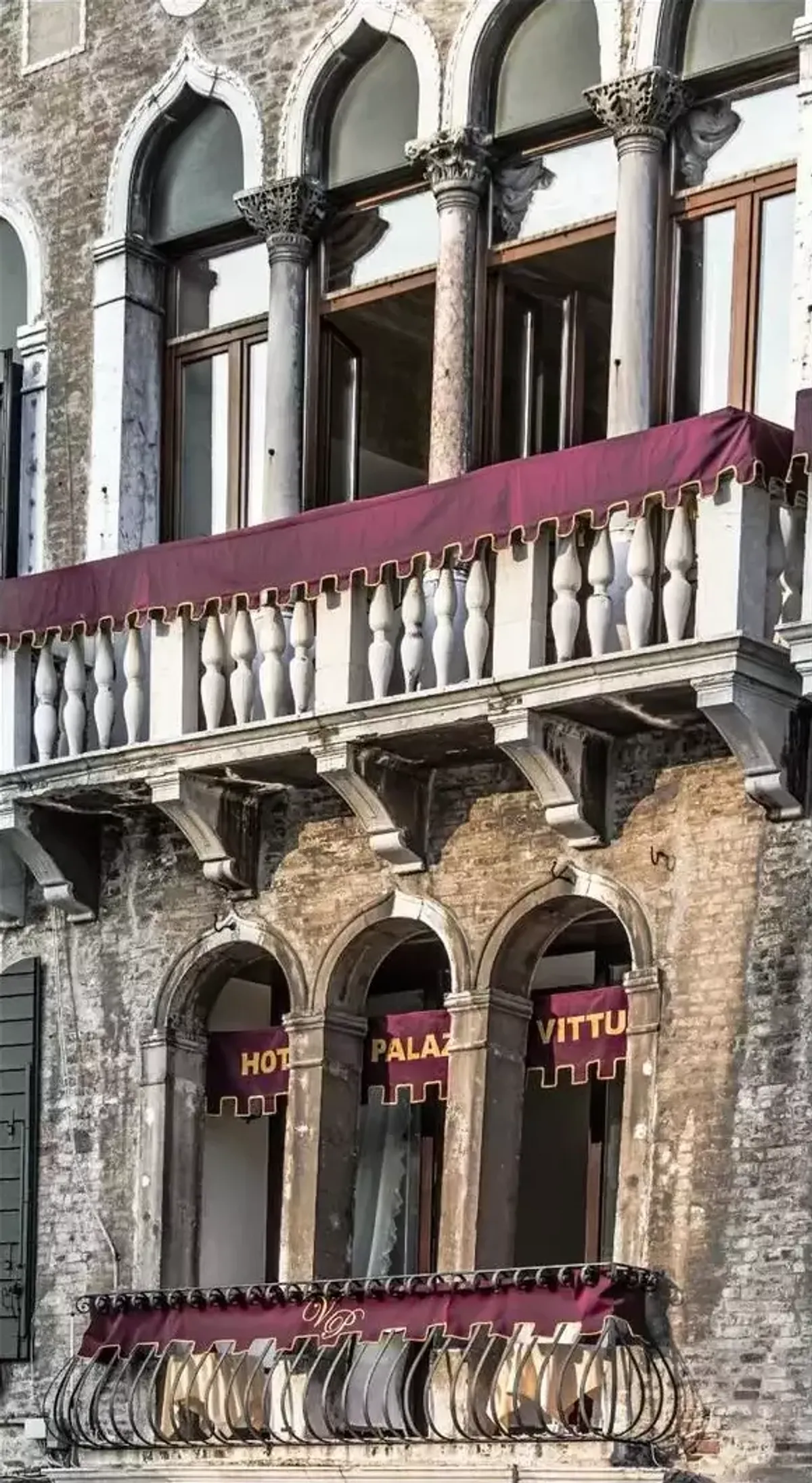
- Hotel reception: At Palazzo Vitturi, we monitor tide forecasts daily during acqua alta season and will advise you at breakfast or via message if significant high water is expected
Safe Routes During High Water
Not all areas flood equally. The higher streets of Castello, where our hotel is located, typically remain dry during moderate events. Campo Santa Maria Formosa sits above the critical flood level for most acqua alta events.
Key routes that flood first:
- Piazza San Marco and surrounding streets
- Fondamenta along the Grand Canal
- Low-lying areas of Dorsoduro and San Polo
Routes that stay dry longer:
- Higher streets through Castello
- The Rialto bridge area (the bridge itself is always accessible)
- Most of the Strada Nova in Cannaregio
Our Guest Protocol
During acqua alta season, Hotel Palazzo Vitturi provides:
- Daily tide briefing at breakfast when significant events are forecast
- Printed safe-route maps available at reception
- Boot storage if you purchase rubber boots during your stay
- Real-time updates via message if conditions change during the day
- Staff guidance on which areas to avoid and the best times to visit low-lying sites
Planning Around Acqua Alta
Do not let acqua alta discourage you from visiting Venice in autumn or winter. These are among the most atmospheric and least crowded months. The flooding is temporary, the raised walkways are effective, and a Venice shrouded in November fog with acqua alta lapping at the fondamente is an experience that summer visitors never see.
For month-by-month travel planning, see our best time to visit Venice guide. For practical arrival information, check our airport to city centre guide.